
Why was the Nile River important to ancient Egypt?
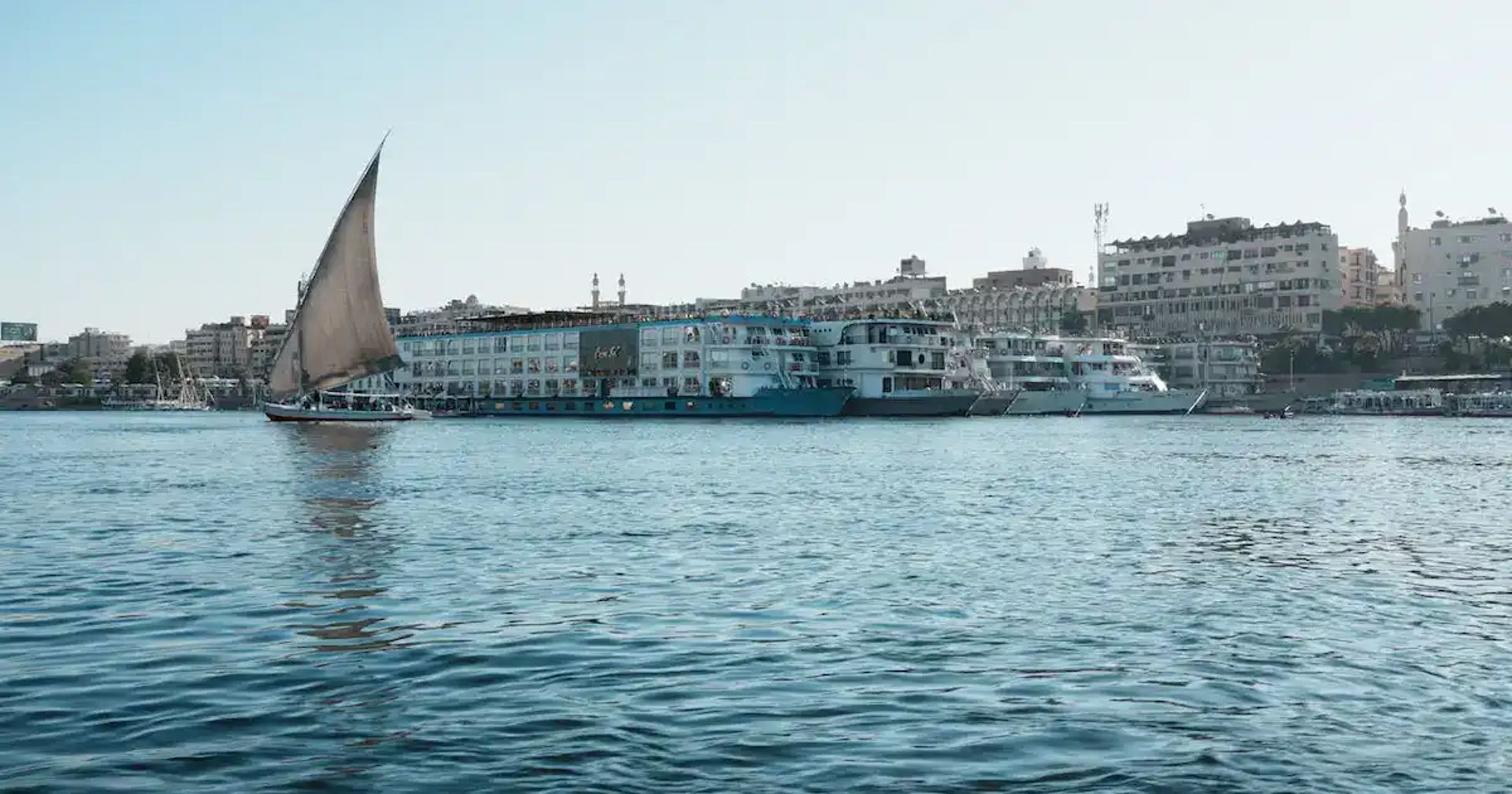
The Nile River was important to ancient Egypt because it was the only reliable source of water and fertile soil in a desert country. Its yearly flood fed the farms, and the river itself carried people, grain and stone, which held Upper and Lower Egypt together as one state for about 3,000 years.
The Greek historian Herodotus called Egypt the gift of the river, and our guide to why Egypt is known as the gift of the Nile looks at that phrase in detail. This guide covers what the river did for farming, trade, religion and power, and where you can still see that story today.
How did the Nile help ancient Egyptian farming?
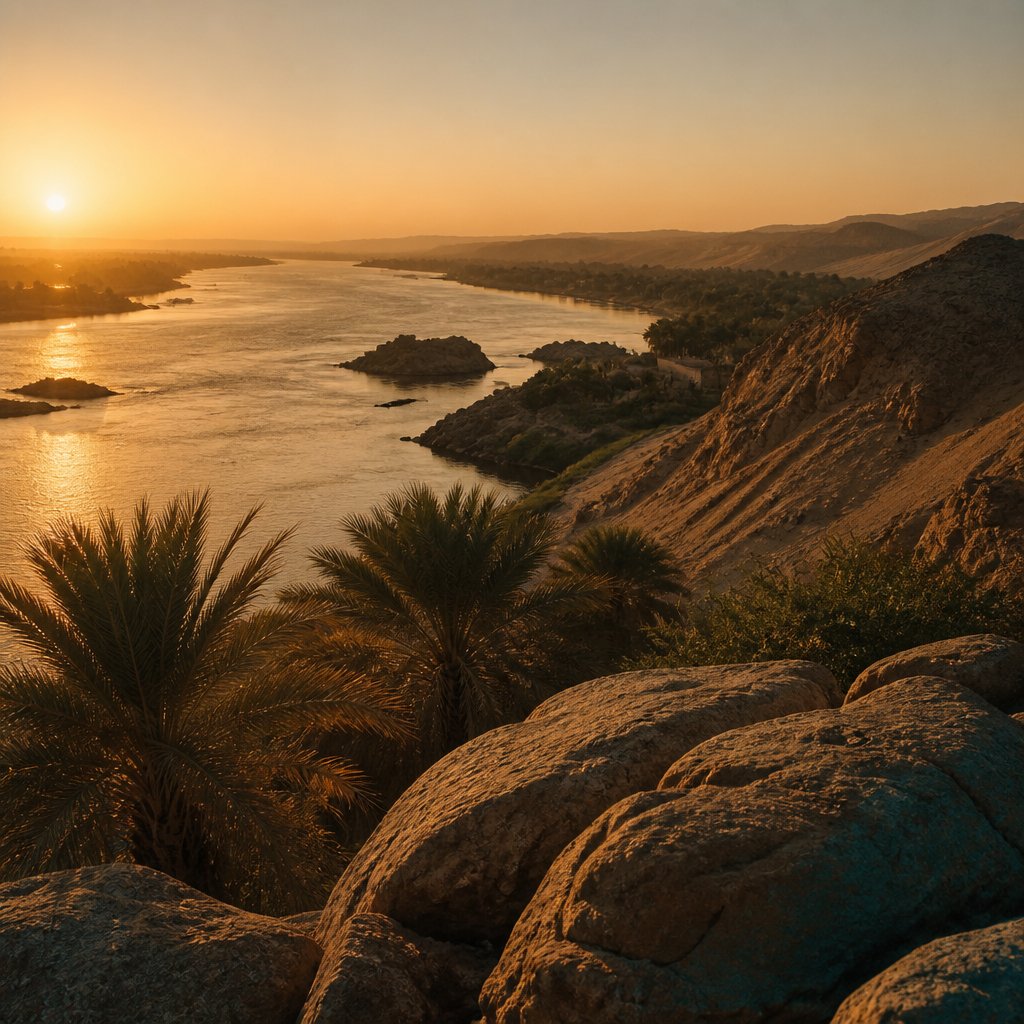
Every summer the Nile rose and spread over the fields, then drew back in the fall. The water left a layer of dark silt that worked as a natural fertilizer. Egyptians called their own country Kemet, the Black Land, after this soil, and called the desert around it Deshret, the Red Land.
Farmers sowed as soon as the water went down. The main crops were:
- Wheat and barley, for bread and beer
- Flax, for linen clothing
- Vegetables, fruit and legumes, such as onions, lentils and beans
A good harvest left a surplus. That surplus fed the builders, priests, scribes and artisans who never worked the land.
Does the Nile still matter to Egyptians today?
Yes. About 95% of Egyptians live in the Nile Valley and the Delta, on roughly 4% of the country's land, according to Germany's development ministry. The river still supplies almost all of Egypt's fresh water.
The yearly flood is gone, though. The Aswan High Dam, finished in 1970, brought the flood under human control for the first time, as Britannica's entry on the dam notes. Lake Nasser now stores the water behind it, and farmers irrigate year-round instead of waiting for the river to rise.
How did the Nile shape trade and transportation?
The Nile was Egypt's main road. The current flows north, so boats drifted downstream toward the Mediterranean. The wind usually blows from the north, so boats raised a sail to travel south. That made two-way travel easy along the whole length of the country.
Boats moved goods such as:
- Granite and limestone for temples and tombs
- Grain, to feed workers and to store for bad years
- Gold, ebony and ivory from Nubia in the south
- Papyrus, linen and pottery for trade
The oldest written papyri ever found, the logbook of an official named Merer, describe crews shipping white limestone from the Tura quarries to Giza for the Great Pyramid of Khufu. They were found in 2013 at the Red Sea harbor of Wadi al-Jarf.
Why was the Nile so important to ancient Egyptian religion?
Egyptians saw the flood as a gift from the gods. Hapi was the god of the inundation, shown with a full belly as a sign of plenty. The river's yearly cycle of flood, growth and harvest echoed the cycle of death and rebirth at the center of Egyptian belief.
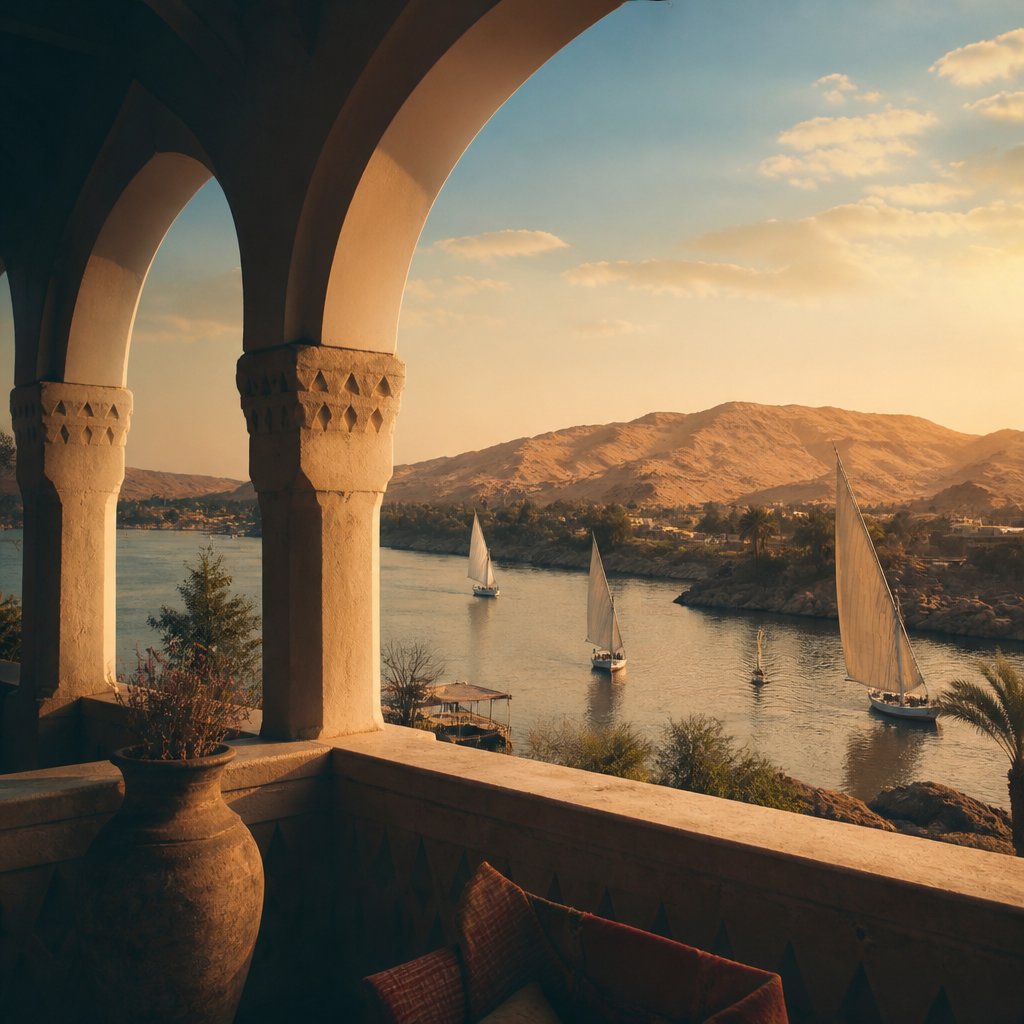
Priests watched the river closely. They read the height of each flood on nilometers, stone stairways with measuring marks. The one on Elephantine Island, in Aswan, was the first place the rising water could be seen. The reading also set that year's taxes.
How did the Nile shape political power?
The river linked Upper Egypt in the south with Lower Egypt in the delta, and the pharaoh ruled both. Whoever controlled the Nile controlled the grain. A good flood was taken as a sign that the king had the gods' favor. Several low floods in a row brought famine, and historians link them to periods when central rule broke down.
How did the Nile influence the calendar and daily life?
The Egyptian year had three seasons named after the river: Akhet (the flood), Peret (growing) and Shemu (harvest), each four months long. The civil calendar had 365 days and no leap year, so over the centuries the named seasons slowly drifted away from the real flood. Fishing, farming, boatbuilding and festivals all followed the river's rhythm.
Why were temples and pyramids built near the Nile?
Stone was heavy, and water was the easiest way to move it. A 2024 study found traces of a lost branch of the Nile, now called the Ahramat Branch, that once ran along the desert edge past many of the pyramids, as Smithsonian magazine reported. The researchers think boats used it to bring stone and workers right up to the building sites.
Most of Egypt's great temples stand on or near the riverbank: Luxor and Karnak, Edfu, Kom Ombo and Philae, with the Valley of the Kings across the water from Luxor. Our guide to visiting Kom Ombo and Edfu from Aswan explains how to see two of them in a day.

What animals lived in the Nile in ancient times?
Crocodiles, hippos, fish and water birds were all common, and several became gods. Sobek, the crocodile god, was linked to the river's power and fertility, and he shares the double temple at Kom Ombo with Horus. Taweret, part hippo and part crocodile, protected women in childbirth and young children. Fish and birds were everyday food.
How can you see the ancient Nile today?
The simplest way is from the water. Most Nile cruises sail between Luxor and Aswan and stop at Edfu and Kom Ombo on the way. If you'd rather sail under canvas with only a few cabins, look at a dahabiya cruise.
Short on time? Pick a Luxor day tour for Karnak and the Valley of the Kings, or join one of our Egypt tours that combine Cairo with a few nights on the river. We arrange the boats, guides and tickets for you.

Plan with us
Why was the Nile River important to ancient Egypt
The Nile River gave ancient Egypt fertile soil, fresh water, and trade routes. Learn why the Nile was essential for Pharaohs, farming, and temples.
- Nile cruisesFollow the river between Luxor and Aswan, with the temples it fed along the banks.
- Luxor to Aswan cruisesFour nights upstream, embarking in Luxor, with sightseeing and transfers included.
- Dahabiya cruisesA traditional sailing boat that travels the Nile at a slower pace.